UPPER
22025
TML supported the Horizon Europe project UPPER by developing a cross-evaluation methodology and evaluation plans. This project focused on boosting public transport in European cities through 84 measures and innovation models, with the aim of increasing public transport use by more than 30%.
UPPER (Unleashing the Potential of Public Transport in Europe) was a Horizon Europe project that ran from January 2023 to December 2025.
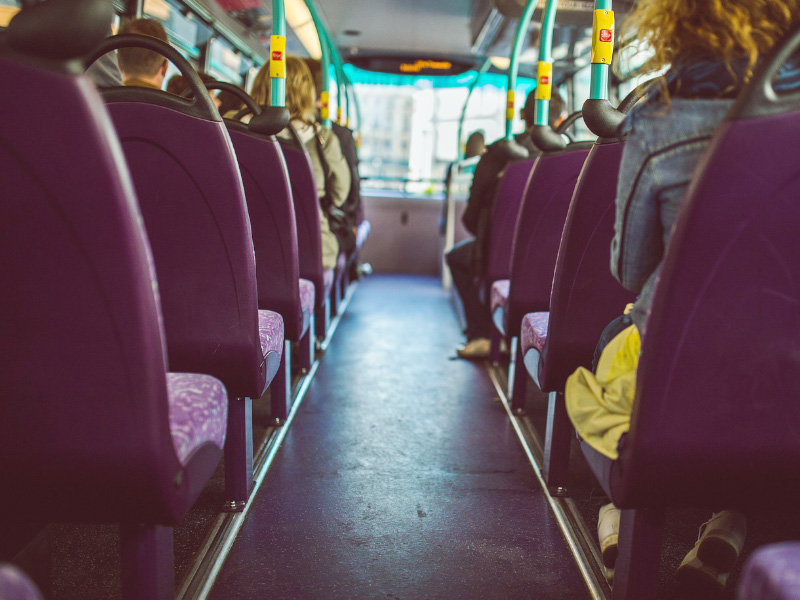
UPPER aimed to strengthen the role of public transport as a cornerstone of sustainable and innovative mobility. The project implemented a combination of measures to get people out of cars and let them use public transport in cities across Europe.
UPPER worked with ten cities and regions: Valencia, Rome, Versailles Grand Parc - Île de France, Oslo, Mannheim, Lisbon, Leuven, Budapest, Thessaloniki, and the Hanover region. The main milestones of the project were an increase in public transport use by more than 30% and user satisfaction by more than 25%, without leaving anyone behind. At the operational level, UPPER implemented 84 measures and worked on five innovation models to positively influence users' choices: (i) mindset and culture, (ii) urban mobility planning, (iii) the ecosystem of mobility services, (iv) road network management, and (v) democratic governance.
The project adopted an integrated and holistic approach to achieve the following goals:
- Facilitate cooperation between authorities and operators.
- Provide a physical and digital environment to test the measures.
- Update the existing Sustainable Urban Mobility Plans (SUMPs).
- Optimise public transport supply in line with user needs and patterns.
- Involve users in mobility decision-making.
- Encourage behavioural change in favour of public transport use.
- Establish an attractive, efficient, reliable, safe, inclusive, and affordable public transport system, as outlined in the MaaR (Mobility-as-a-Right) concept.
A crucial activity in the project was the consistent and transparent monitoring and evaluation of the implemented measures, resulting in a clear impact assessment. This task was led by KU Leuven. TML supported this task with the development of a cross-evaluation methodology and evaluation plans at local and project level.